Introduction to SEO
Search Engine Optimization (SEO) is the process of improving a website’s visibility in organic (non-paid) search engine results on platforms such as Google, Bing, and Yahoo.
When users search for information, products, or services online, search engines aim to show the most relevant and useful web pages. SEO helps websites earn their place in those results—not by paying for ads, but by delivering valuable content and a strong user experience.
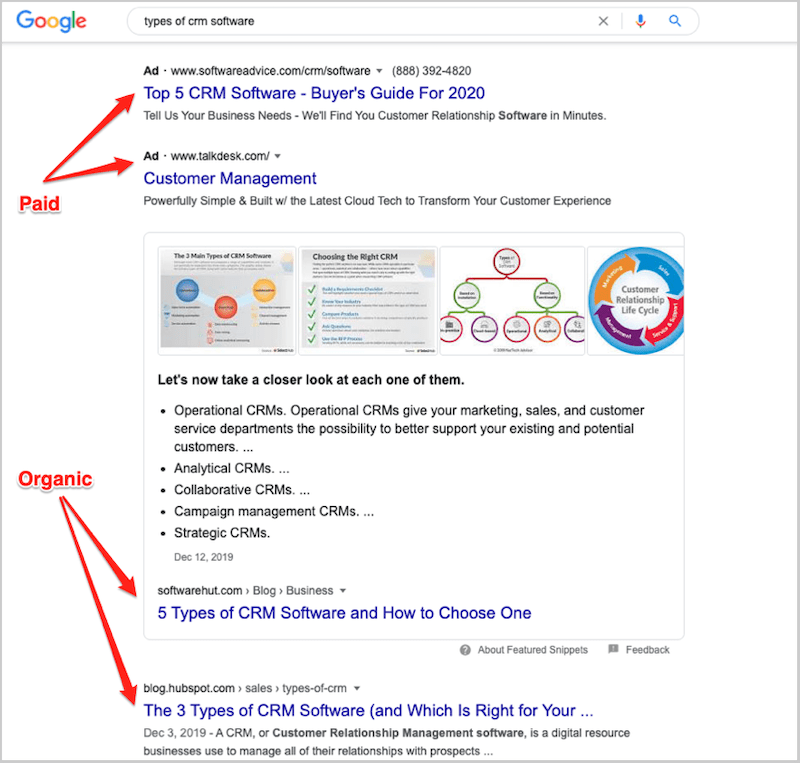
In digital marketing, SEO plays a foundational role because it connects user intent, content, and technology in a way that supports long-term growth rather than short-term visibility.
Understanding Search Engines and Search Results
Before understanding SEO, it is important to understand how search engines work.
A Search Engine Results Page (SERP) is the page displayed after a user enters a query into a search engine seo funda example. The results shown are selected based on relevance, usefulness, and quality.
Search engines use a multi-step process to deliver these results:
How Search Engines Work
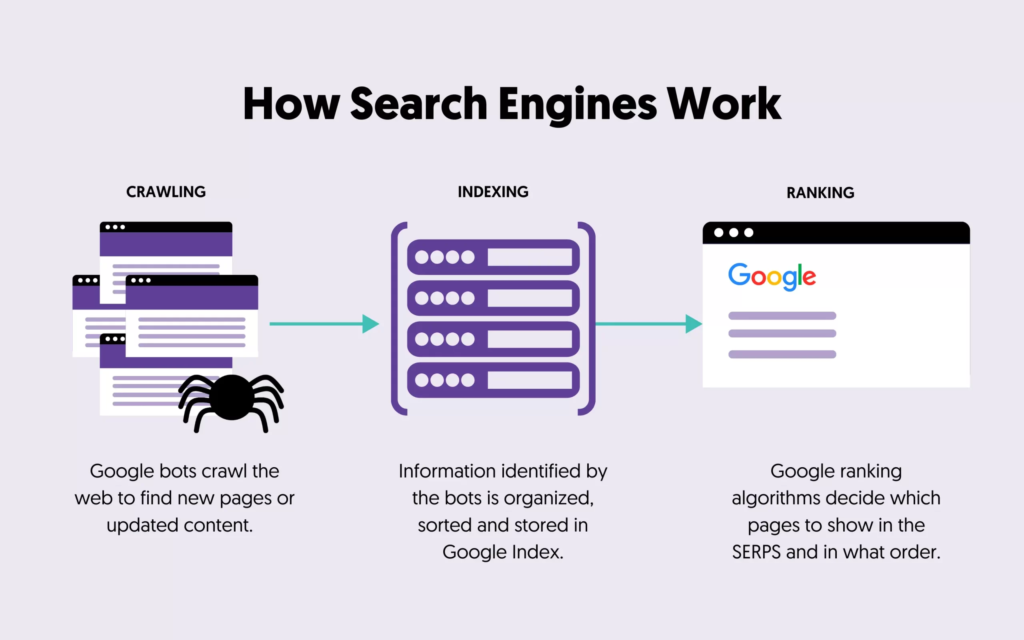
Search engines follow three core steps to discover and rank content:
1. Crawling
Crawling is the process where automated bots (often called crawlers or spiders) scan the internet to discover new and updated content. These bots follow links across web pages to find additional pages.
2. Indexing
Once content is discovered, search engines store and organize it in a massive database called an index. This index includes text, images, and other content elements collected during crawling.
3. Ranking
When a user performs a search, the search engine looks through its index and ranks pages based on relevance and usefulness. Pages that best match the user’s query appear higher in the results.
Search engines use hundreds of ranking factors within complex algorithms to decide which pages deserve top positions.
What Is SEO?
SEO is the practice of optimizing websites and content so that search engines can easily discover, understand, and rank them for relevant search queries.
Unlike paid advertising, SEO focuses on earning visibility by:
- Creating helpful, reliable, people-first content
- Targeting relevant keywords
- Improving website performance and usability
SEO is not limited to blog posts. It applies to:
- Web pages
- Blog articles
- Landing pages
- Case studies
- Whitepapers and ebooks
The goal is simple: when users search for topics related to your business, your website should appear as a trusted and relevant answer.
How SEO Works in Practice
SEO works by aligning content with what users search for and how search engines evaluate pages.
Keyword Targeting
Keywords are the words or phrases users type into search engines. SEO starts by identifying these queries and creating content that answers them clearly and thoroughly.
For example, if users search for “best project management tools,” SEO content would aim to directly address that topic in a structured and helpful way.
Content Optimization
SEO emphasizes creating content that is:
- Helpful and informative
- Easy to understand
- Well-structured
- Focused on user intent
This type of content increases the likelihood of ranking well and earning trust from both users and search engines.
Technical Performance and User Experience
SEO also involves optimizing the technical aspects of a website, including:
- Page speed
- Mobile-friendliness
- Website security
- Accessibility
- Clear navigation
A website that provides a better user experience is more likely to rank higher in search results.
SEO Is an Ongoing Process
SEO is not a one-time activity. Search engine algorithms change regularly, which means websites must:
- Publish new content
- Update existing pages
- Continuously improve performance
Ongoing optimization is essential for maintaining and improving rankings over time.
SEO and Its Role in Digital Marketing
SEO is a core pillar of digital marketing because it supports visibility, trust, and sustainable growth.
1. Driving Organic Traffic
Billions of searches are performed every day, making search engines one of the largest traffic sources available seo funda example.
Higher rankings lead to more clicks. Studies referenced in the document show that the top organic results receive the majority of clicks, with click-through rates declining as rankings drop.
SEO helps businesses capture this demand without paying for every visitor.
2. Increasing Brand Awareness
When a website consistently appears in search results, it increases brand visibility—even if users don’t click immediately.
Repeated exposure builds familiarity, and high-quality content helps position a brand as an authority. Over time, this trust influences user decisions and long-term brand recall.

3. Improving User Experience
SEO and user experience are closely connected. Optimizing for search naturally improves usability by focusing on:
- Fast loading pages
- Mobile compatibility
- Clear structure
- Secure browsing
A positive user experience encourages visitors to stay longer and engage more deeply with content.
SEO in the Age of AI
SEO today also includes visibility within AI-generated search experiences. AI systems summarize and cite content they consider trustworthy. To be included, content must be:
- Clearly written
- Easy to quote
- Well-structured
- Current and updated
AI SEO does not replace traditional SEO—it builds on the same fundamentals, with added emphasis on clarity, authority, and credibility across the web.
Essential SEO Terms
Understanding SEO requires familiarity with common terms:
- SERP (Search Engine Results Page): The page showing ranked search results
- Organic Results: Unpaid listings earned through relevance
- Organic Traffic: Visitors from unpaid search results
- Authority Score: A predictive measure of ranking ability
- Page Authority: Ranking strength of an individual page
- SERP Features: Enhanced results like featured snippets and AI overviews